Ankur Roy
Reader recommendation · Received an early copy
“a book I will keep on my shelf as a reference for agent design”
Read the original post ↗Out now · Published September 2026
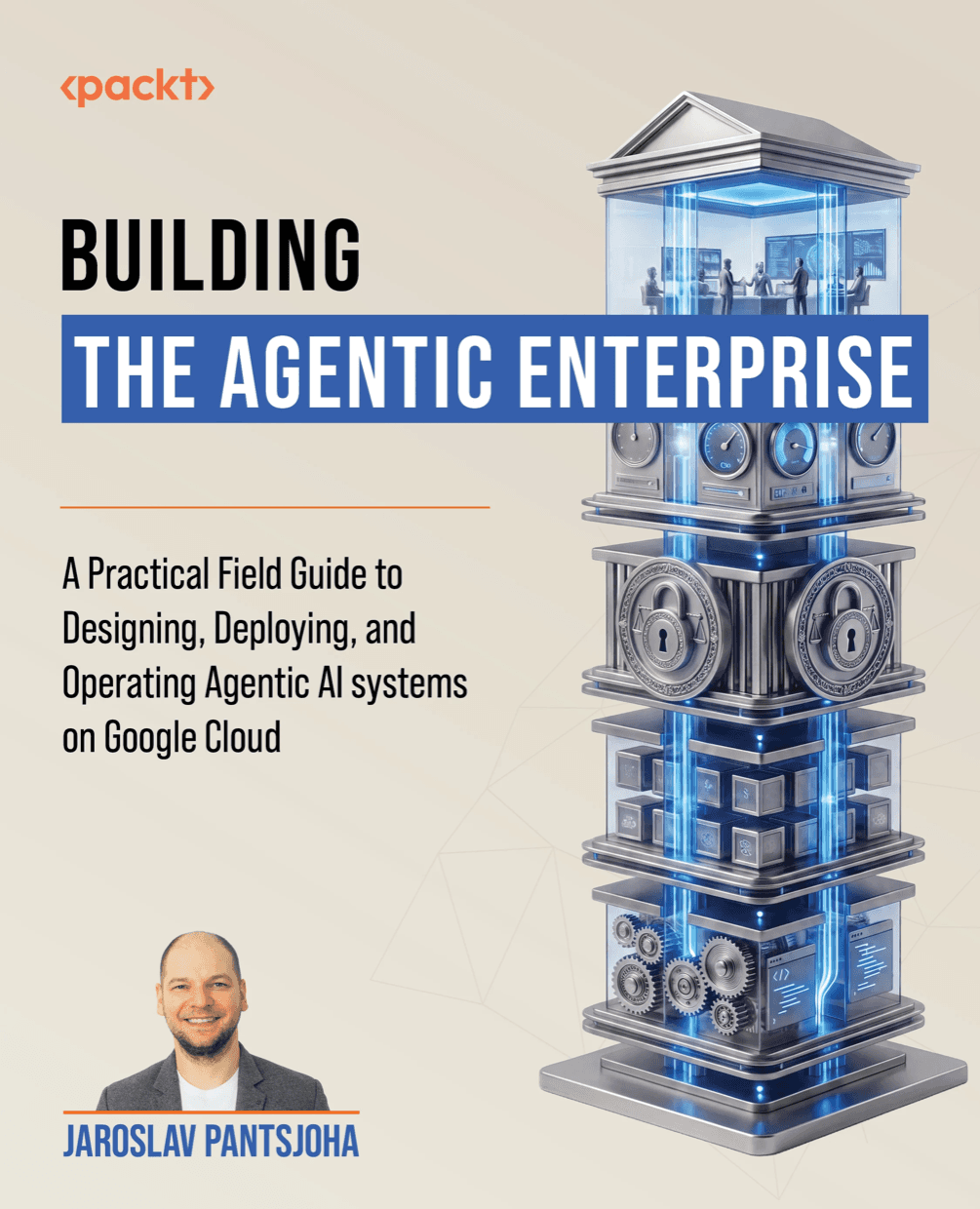
A Practical Field Guide to Designing, Deploying, and Operating Agentic AI Systems.
Available in paperback and ebook. International delivery options vary by retailer and destination.
AI Agent adoption usually starts in one business unit, a Proof of Value or Concept as they would call it. Assuming AI delivers on its magic and wonders - as it typically does and this use case proves itself, before you know it the next immediate ask is to scale, and get this into Production. The challenge is that to scale agentic architecture means the wider enterprise needs to have a strategy to scale beyond this single business unit. That very transition is the dichotomy you have to bridge and get it right or this poc value never materialises in effect.
You see, as a platform engineer for a long time, I’ve had a developer itch on the side. Getting hands-on with AI and AI use cases as they came onto the scene to prove value-add from hype first-hand. I have worked in lean startups and Linux shops building and orchestrating large enterprise platforms into production. And this advent of technology still tends to fall back on Human Alignment challenges of People and Processes first and foremost. I’ve been proving it out, building and architecting hands-on, but also figuring it out and unpacking these challenges with my industry peers on how to effectively transition from AI Native, even Agentic Builder-Developer, to AI-transformed Organisation Agent Platforms as a Technology and Business Operator.
I hope this book helps you find where agentic AI makes the most sense for your organisation, and where the real value is.

Jaroslav Pantsjoha
Technical Director · Google Developer Expert, AI/ML
The person who already has the pilot, the pressure, and the executive attention, but not yet the operating model to carry any of it.
Jaroslav Pantsjoha is an enterprise architect and technical advisor. He designs cloud and agentic AI platforms for large organisations and advises the executives backing them.
Full bio →Book recommendations and release posts from the community.
Reader recommendation · Received an early copy
“a book I will keep on my shelf as a reference for agent design”
Read the original post ↗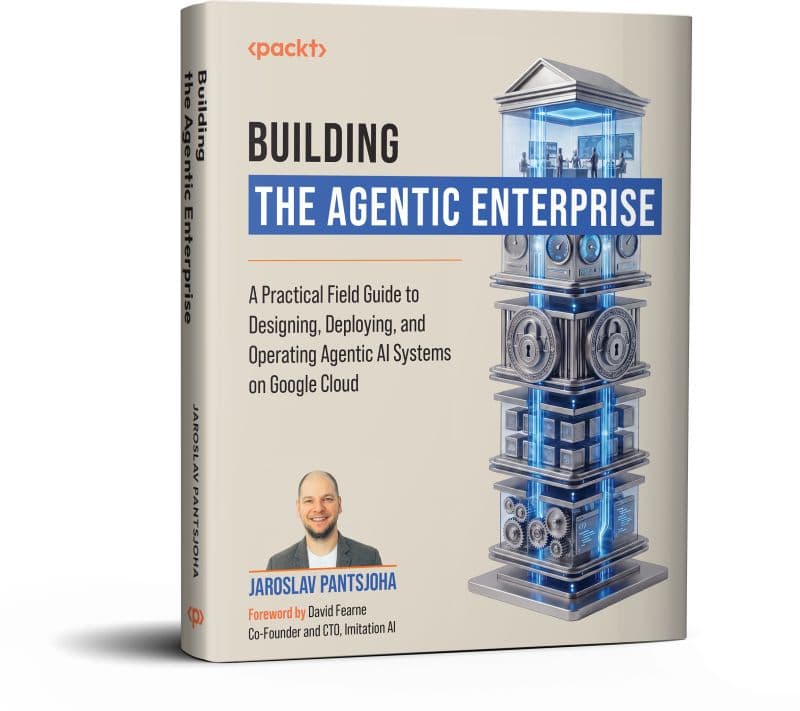
Release post · Reflections on the book’s development
Preet shares the release and recommends the book to enterprise architects, AI engineers and platform teams.
Read the original post ↗Published · September 2026
Paperback and digital editions from these retailers. Check local availability and delivery at checkout.
Also available to read with an O’Reilly subscription.