Beyond the Vibe: Shipping Enterprise Software with AI Agents
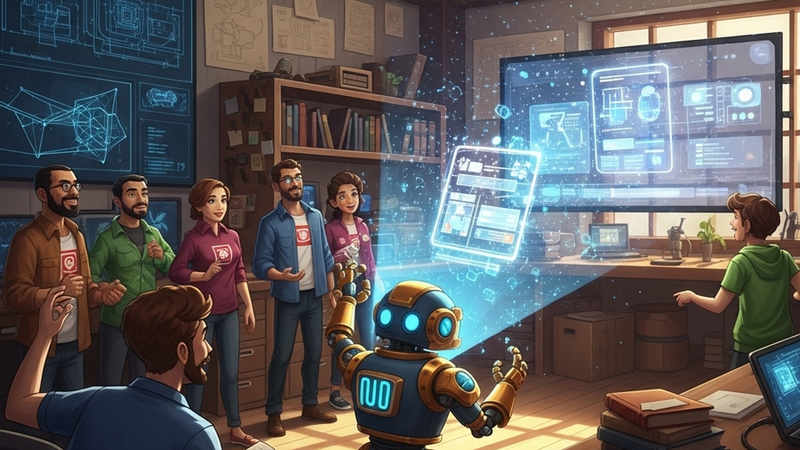
I have recently delivered a talk on The Topic of 'Vibe Coding with Impact' and this is a good post-talk reflection on the common theme. Vibe is good - but Let's talk about 'Day 2' and The Road to Production
When ‘vibe coding’ popped up on X, most devs and solution architects (myself included) rolled their eyes. It sounded like another take at the GenAI Hype-cycle with a well polished MEME machine on X. Yet the relentless pace of change, means the terminology and meaning there-of is evolving, abstracting, and not to be ignored.
But let's talk reality: The Day 2
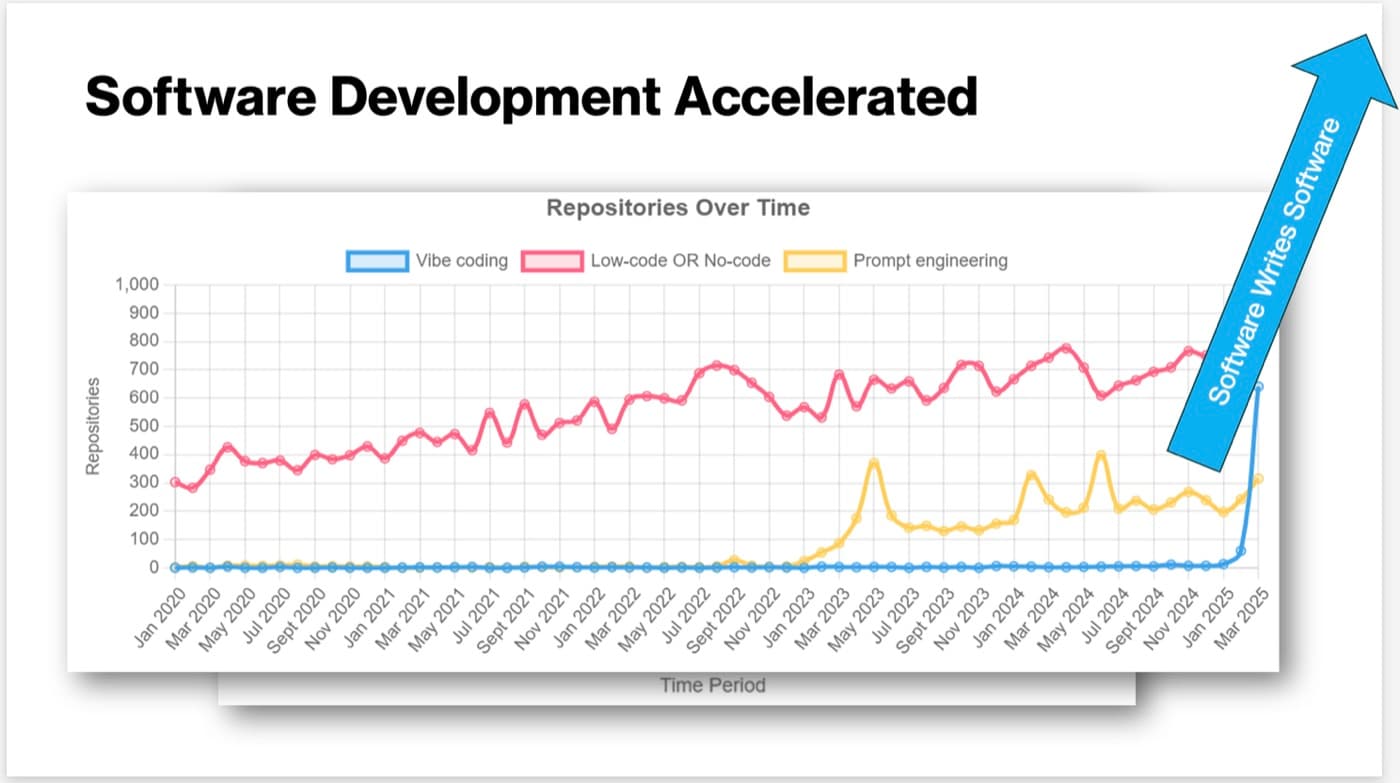
Shipping that first AI-generated MVP[almost, almost stage-production A-B Test Success]. Yet, real enterprise delivery starts after that "merge" button. This is the problem many executives and product teams are currently overlooking:
What does the Day 2 scenario look like?
- How do you embed DevSecOps practices (CI/CD, security scans, compliance checks) early enough?
- What happens when you need to extend functionality, onboard new teams, or address evolving compliance and governance?
- How locked-in are you to your initial vibe-coding vendor? Can you re-platform? [Think Replit App re-hosted on Firebase]
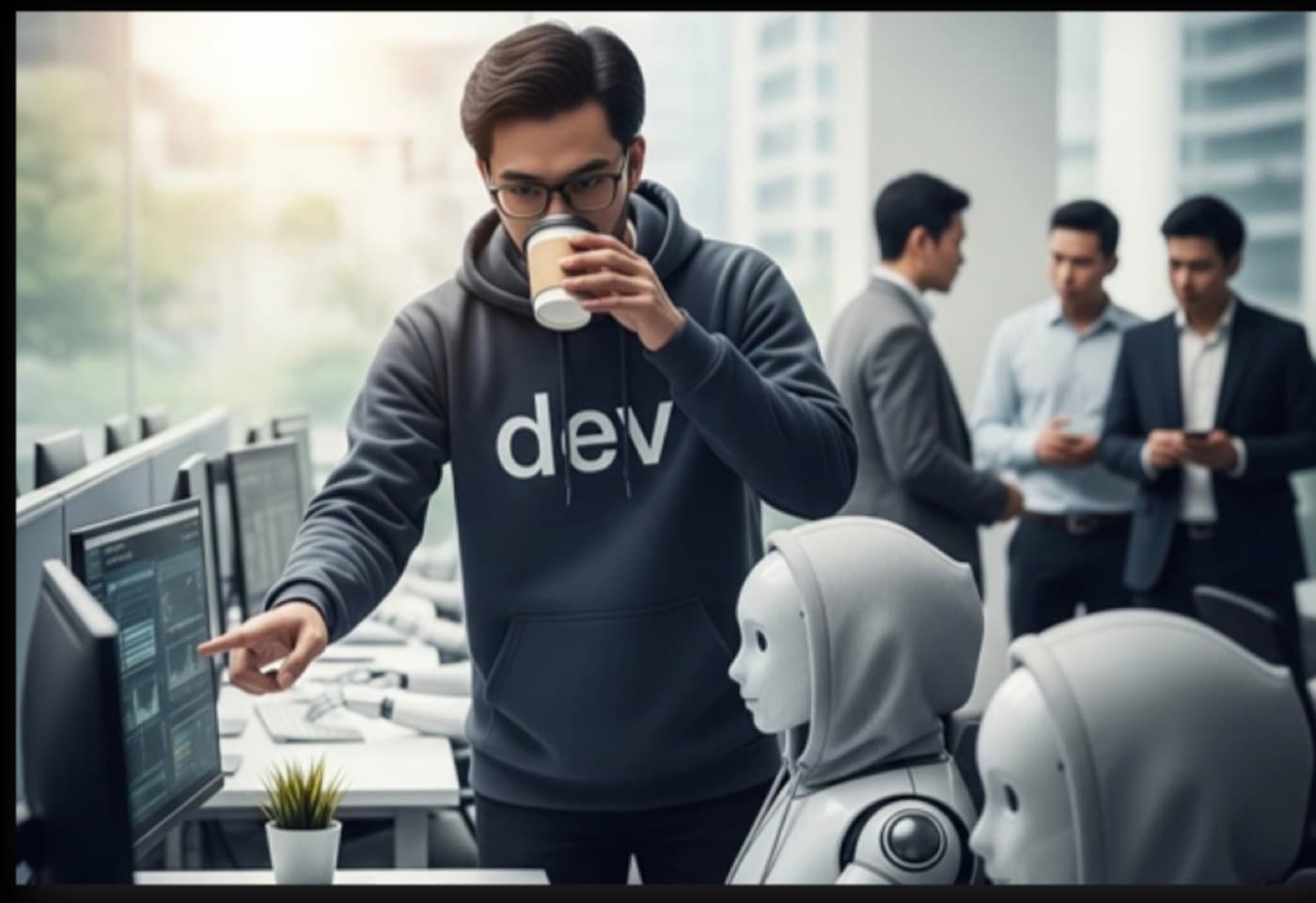
The excitement of rapid AI-driven prototyping masks these crucial operational considerations. This is a very interesting challenge because the rapid pace of innovation almost precedes the Core planning, a Long term product strategy as Intent give the service of a given app and service being Vibe-developed.
Vibe-coding is merely about 'willing something into existence with natural language and delivered by specialised coding LLM'. By design, all such productionising considerations are such Day 2 problem statement. Alas It's a feature not a bug. What can you do about it?
My experience 'in the trenches' working with AI-assisted development over multiple projects has taught me that the real value of embedding a good pattern of guardrails early, rigorously defining business Intent, context, and planning from Day 1 for ongoing maintenance and evolution. There is a fantastic post from Anthropic on Claude Code on this very topic, and the details are really applicable for commonly used Agentic AI Code developing tools
Key considerations for moving beyond initial AI prototypes:
- Shift from Prompt to Context Engineering: - Patterns, Rules, Templates to vibe-code generate consistent-as possible output #VibeCodingAtScale. A sticky-note prompt works fine for demos, but enterprise teams require detailed ADRs, architecture diagrams, compliance policies, and security controls codified and enforced automatically.
- CI/CD and Guardrails: - Similar to Point 1 above. Think of setting-up/Generate the CICD pipeline early. Then Iterate. Embed unit tests, security gates (SAST/DAST), SBOM generation, and dependency scanning directly into your pipeline BEFORE your second AI prompt. Platforms like Cloud Build, GitHub Actions, and Security Command Center become indispensable.
- Avoid Vendor Lock-in: - Both Points above. Use industry software deliver best practices and patterns (Point 2) - as appropriate to you and your team. Define clear boundaries with portable solutions—Terraform for IaC, containers for runtime, and standardised APIs or MCP-based connectors for AI interactions—so switching from Gemini to Claude (or others) becomes trivial rather than traumatic.
- Maintainability and Team Scalability: - Adopt and Adapt to the same Consistent Tool/Model use with your Human Team, sticking to consistent Definition of Done, and (Point 1). Clearly define AI agent roles, establish Test Harness (KPIs), and use comprehensive documentation to empower your expanding human + AI hybrid workforce.
- Continuous Evolution: - As you achieve maturity with ContextEngineering, grounding for your Human and AI Team, you may be able to be flexible enough to swap out LLMs Code Generating models to evaluate options. Expect rapid obsolescence of tools and methods. Design your solutions and pipelines to support model and vendor changes seamlessly. Yet, Start your journey today.
Vibe coding got us started quickly. But sustained enterprise impact comes from disciplined context engineering, rigorous DevSecOps integration, and strategic portability considerations.
I'd love to hear from other CXOs and tech leaders—how are you managing your Day 2 AI-agent integrations? How far are you on your Vibe coding journey, aka The 'Agentic AI Developer' adoption roadmap?
#BeyondTheVibe #AIEngineering #DevSecOps #ContextEngineering #CICD #GoogleCloud #Gemini #EnterpriseSoftware #SoftwareDelivery #TechLeadership
Originally published on LinkedIn ↗. Republished here in full so it can be read without an account.
Jaroslav Pantsjoha
Technical Director · Agentic AI & Cloud Platforms · Google Developer Expert
Full bio →